European flags
Flag of Slovakia
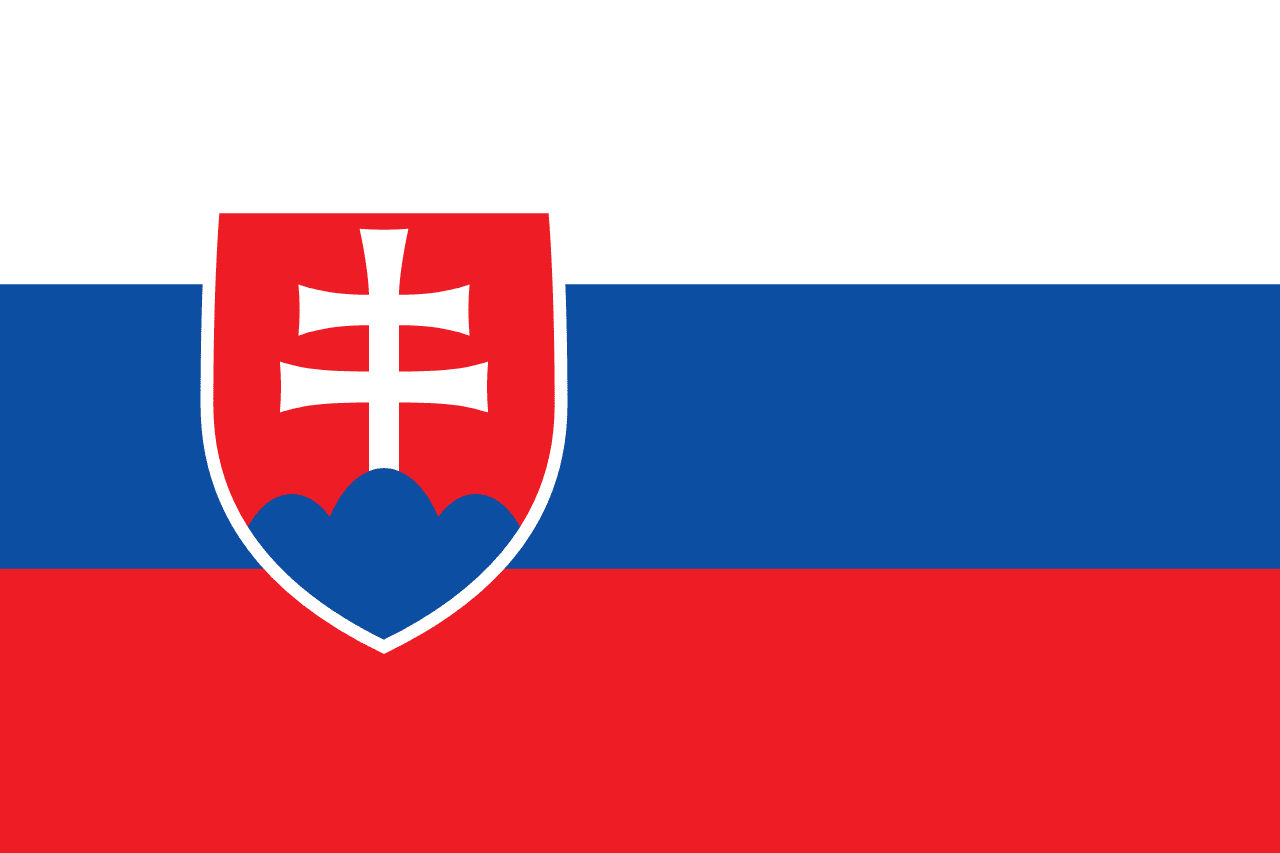
The flag of Slovakia is the official national symbol of Slovak Republic, whose capital is Bratislava. On this page you can view and download a high-quality image of the Slovakia flag, copy the Slovakia flag emoji, and learn key facts about this sovereign country in Europe.
Country information
| Independent | Yes |
|---|---|
| Country codes | SK, SVK (ISO 3166-1) |
| Official name | Slovak Republic |
| Capital city | Bratislava |
| Continent | Europe |
| Member of | United Nations, European Union, North Atlantic Treaty Organization |
| Population | 5,446,771 |
| Total area | 49,037 km² |
| Languages | Slovak |
| Currency | Euro (€, EUR) |
| Calling code | +421 |
| Internet TLD | .sk |
About the flag of Slovakia
The Slovakia flag represents the identity, history and values of its people — the Slovak people. It is flown on government buildings, at international events and during national celebrations, and it appears at the United Nations, sporting tournaments and diplomatic missions around the world.
Slovakia is a landlocked sovereign country located in Central Europe, covering an area of 49,037 km² with a population of roughly 5,446,771. The main language is Slovak.
Design, meaning and history of the Slovakia flag
Design
The flag is composed of three equal horizontal bands of white, blue, and red. Placed across the bands, shifted slightly toward the hoist, is the national coat of arms of Slovakia outlined by a thin white border.
Meaning of the colours and symbols
The white, blue, and red bands are the traditional Pan-Slavic colours, commonly interpreted as standing for Slavic heritage and independence. The coat of arms features an early Gothic red shield with a silver double cross mounted atop the middle peak of three blue mountains. The patriarchal cross represents Christian traditions and the heritage of Saints Cyril and Methodius, while the three peaks represent the Tatra, Fatra, and Matra mountain ranges.
History
Slovak revolutionaries adopted the white-blue-red tricolour during the European Revolutions of 1848. A plain tricolour was briefly revived between 1939 and 1945 by the first Slovak Republic, and again in 1990 within the post-communist Czechoslovak federation. Because the plain tricolour was identical to the flag of Russia, the coat of arms was integrated into the flag on September 1, 1992, in anticipation of the peaceful dissolution of Czechoslovakia on January 1, 1993.
- Adopted: September 1, 1992
- Proportions: 2:3
Interesting facts
- A narrow white fimbriation outlines the shield to separate its blue and red segments from the matching stripes of the flag.
- One of the three mountains depicted on the coat of arms, the Matra range, is located in present-day Hungary.
- Without its coat of arms, the flag would be completely indistinguishable from the national flag of the Russian Federation.
Map of Slovakia
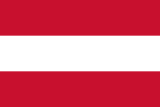
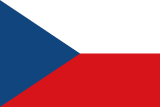
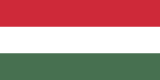
Flags of countries bordering Slovakia
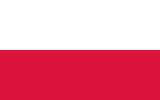
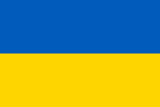
More European flags


Slovakia flag — frequently asked questions
Why was the coat of arms added to the Slovak flag in 1992?
The coat of arms was added to differentiate the flag from the identical tricolour of Russia and to provide a distinctive national symbol ahead of independence.
What does the double cross on the Slovak shield mean?
It is a Byzantine patriarchal cross that symbolises Christianity and honours the 9th-century mission of Saints Cyril and Methodius to Great Moravia.
What mountain ranges are represented on the flag?
The three blue peaks symbolize the Tatra, Fatra, and Matra mountain ranges.
What is the capital of Slovakia?
The capital city of Slovakia is Bratislava.
What is the Slovakia flag emoji?
The Slovakia flag emoji is 🇸🇰. Visit the emoji page to copy and paste it.
What are the country codes of Slovakia?
The ISO 3166-1 codes for Slovakia are SK and SVK.